


Post
Why You Feel Exhausted Even When Your Labs Are 'Normal': Understanding Perimenopause
By Jordan S.
A few years ago, I genuinely thought I was losing my mind.
I was 43, raising two kids, managing a demanding career, and juggling the constant stress of life. At first, I assumed I was just tired. After all, everyone is tired these days.
But this felt different.
No matter how much sleep I got, I woke up exhausted. Not the tired that goes away with coffee. The kind that sits deep in your body and follows you all day.
Then the mood swings started.
One minute, I felt overwhelming rage. The next minute, there would be a brief window where I felt like myself again. Calm, rational, clear. And then just as quickly, that feeling would disappear.
My periods were completely unpredictable. Some months, they would not come at all. In other months, they lasted two weeks or more.
The brain fog was the scariest part. I struggled to think clearly. Words escaped me mid-sentence. Decisions that used to take seconds suddenly felt overwhelming.
I remember asking myself a question that many women quietly ask.
Am I going crazy?
Eventually, I went looking for answers. And that is when I discovered something that changed everything.
I was in perimenopause.
What I Learned About Perimenopause
What surprised me the most was learning that perimenopause does not just begin in your late 40s.
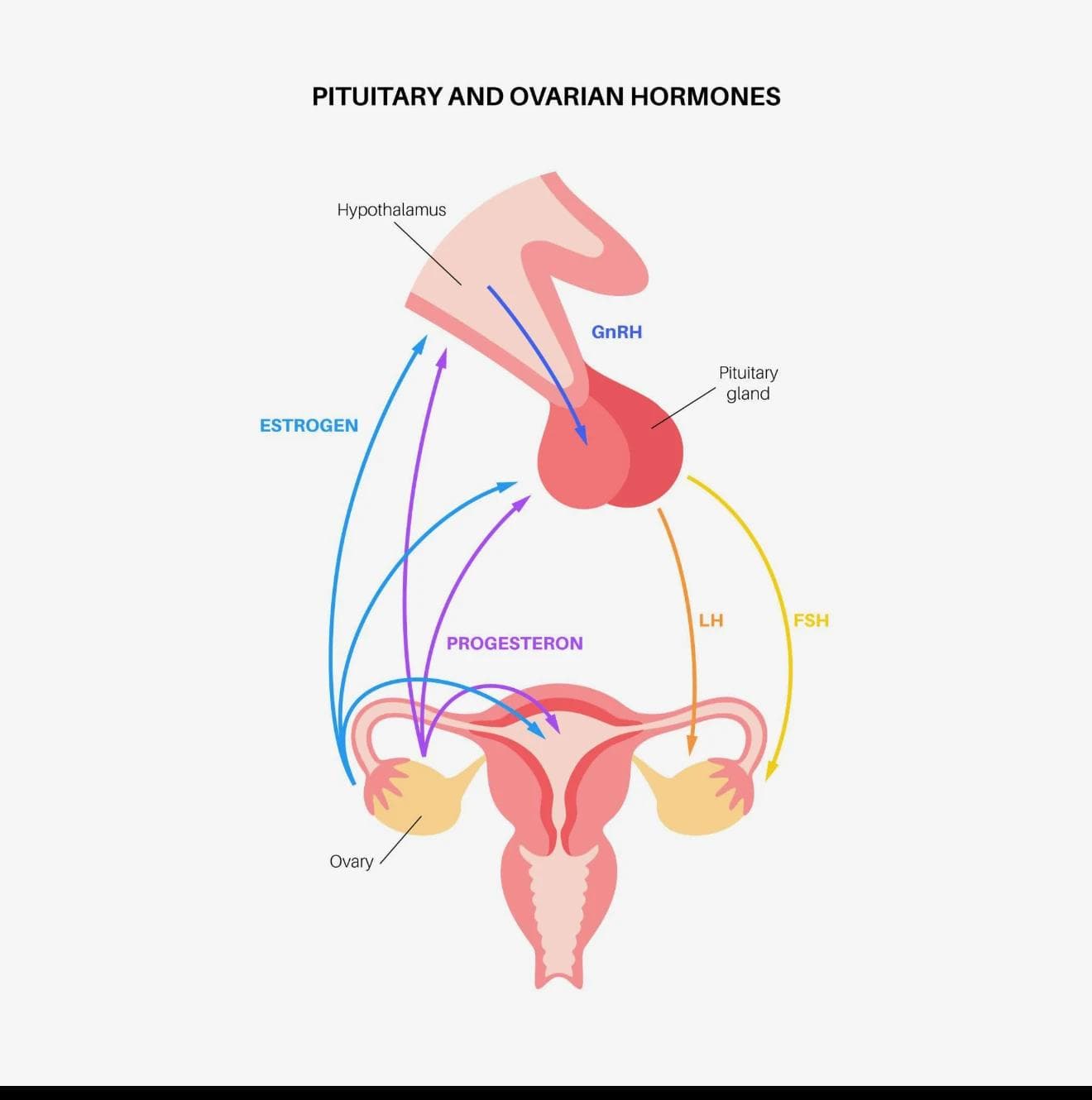
Many women can begin experiencing symptoms as early as their mid-30s, as estrogen and progesterone levels begin to decline and fluctuate gradually. These hormonal shifts can begin long before menopause.
For many women, this is when the first symptoms appear:
- Fatigue that does not improve with sleep
- Mood swings or irritability
- Brain fog and difficulty concentrating
- Changes in menstrual cycles
- Anxiety or feeling emotionally overwhelmed
Because these changes can begin slowly, many women assume what they are experiencing is simply stress, aging, or burnout.
That is exactly what I thought.
The Missing Piece I Did Not Know About
What I did not realize at the time was that testosterone also plays an important role in women's health.
Like estrogen and progesterone, testosterone levels naturally decline with age — yet it is rarely discussed in conversations about women's hormones.
Testosterone supports many important functions in the body, including:
- Energy and stamina
- Muscle strength and recovery
- Cognitive clarity
- Motivation and mood
- Libido and overall vitality
When levels drop too low, women can experience many of the same symptoms I had been struggling with — fatigue, brain fog, irritability, and feeling unlike themselves.
When my hormones were evaluated more comprehensively, and I began a personalized hormone therapy plan including testosterone support, the change was profound.
My energy improved. My mind felt clearer. I felt emotionally stable again.
For the first time in years, I felt like myself.
The Science Behind Hormone Imbalance
Perimenopause is the transitional phase before menopause when the body's hormone production begins to fluctuate significantly. Estrogen and progesterone levels begin shifting unpredictably, affecting nearly every system in the body.
These hormones influence:
- Brain chemistry and neurotransmitter regulation
- Sleep cycles
- Mood and emotional stability
- Cognitive function
- Metabolism
- The body's stress response
Estrogen helps regulate neurotransmitters such as serotonin and dopamine, which influence mood and emotional stability.
Progesterone plays a critical role in supporting sleep and calming the nervous system.
Testosterone, although often associated with men, is also essential for women and contributes to energy levels, muscle maintenance, motivation, and libido.
During perimenopause, the balance between these hormones can become disrupted — leading to the constellation of symptoms many women experience but struggle to explain.
Adding to the challenge, traditional lab testing often measures hormone levels at a single moment in time. Because hormones fluctuate significantly during perimenopause, these snapshots may not always reflect the full picture.

Finding Real Answers
The good news is that women do not have to endure this transition alone.
At Hoskinson Health and Wellness Clinic, providers like Dr. Moss specialize in identifying and treating hormone imbalances. Through advanced evaluation and personalized care, patients may benefit from Bioidentical Hormone Replacement Therapy (BHRT).
Unlike one-size-fits-all treatments, hormone therapy can be custom-compounded to match each patient's unique needs. Hoskinson's compounding pharmacy allows providers to create tailored hormone therapies designed to restore balance and help patients feel like themselves again.
The goal is not just symptom relief. It is restoring energy, mental clarity, emotional stability, and quality of life.
Trust Your Body
Millions of women experience perimenopause symptoms but are often told their symptoms are stress, aging, or normal life changes.
But if something feels wrong, trust that instinct.
Your body is communicating something important. And with the right medical guidance, answers are possible.
If you are experiencing fatigue, brain fog, mood swings, or irregular cycles, a hormone imbalance may be part of the picture.
The team at Hoskinson Health and Wellness Clinic is here to help you find answers and get back to feeling like yourself again.
[Contact Hoskinson Health and Wellness Clinic to schedule a consultation.]